Horror games are easy to recommend badly. A trailer can promise nightmare fuel, a streamer can turn every hallway into a comedy routine, and a five-hour demo can make a merely decent game look essential. The better question is simpler: what kind of fear do you actually enjoy, and will the game still hold up after the first big scare? This guide is for players who want more than a list of loud noises and dark corridors.
Start with the kind of fear you want
The label horror games covers several very different experiences. Survival horror such as Resident Evil 2 Remake gives you limited ammunition, locked doors, puzzles, and enemies that make every route feel expensive. Alien: Isolation is more about avoidance and improvisation; you are not clearing rooms so much as trying to stay alive long enough to reach the next save point.
Other games build dread through atmosphere rather than combat. Amnesia: The Bunker, Signalis, and SOMA ask you to observe details, manage resources, and accept that running away is sometimes the correct strategy. Then there are psychological games such as Visage or Layers of Fear, where the environment itself becomes unreliable. You are not always solving a practical problem. You are trying to decide whether the hallway changed, whether that sound was real, and whether you should keep walking.
That distinction matters when choosing a game for a limited weekend. If you want satisfying action, a pure stealth title can feel frustrating. If you want creeping tension, a heavily armed protagonist can drain the mood quickly. Good horror games understand the promise they make and build their mechanics around it.
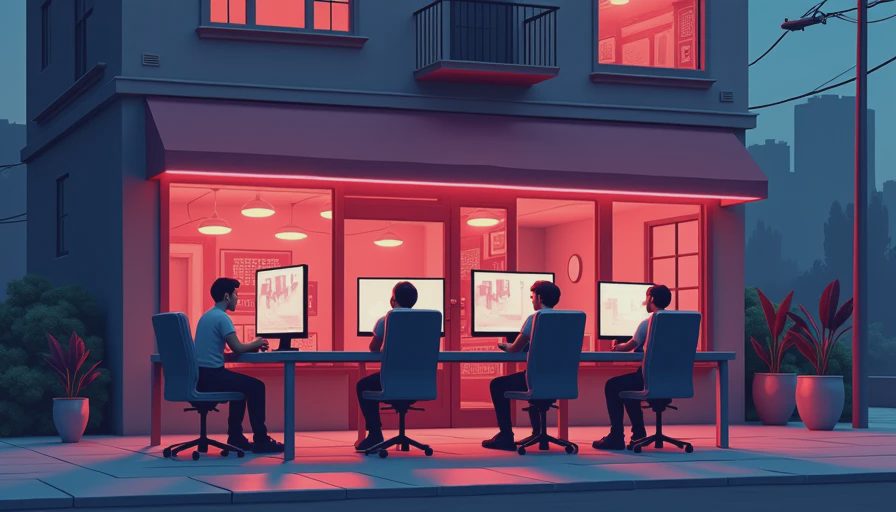
The best horror games earn their scares
A jump scare is a tool, not a personality. It works when the game has already established a pattern, taught you to trust it, and then breaks that trust at the right moment. The first Resident Evil 2 Licker encounter works because the game has trained you to read rooms carefully. P.T. remains memorable because it turns repetition into suspicion: the same walk is never quite the same walk.
The strongest horror games also give the player something to think about between scares. Alien: Isolation makes the motion tracker useful but dangerous, since checking it can distract you from the creature nearby. Darkwood uses a top-down perspective, yet its nighttime shelter sequences can feel more oppressive than many first-person games. The camera is not the source of fear. Uncertainty is.
When evaluating a recommendation, look beyond phrases such as “terrifying” or “the scariest game ever.” Ask what the game actually does for ten hours. Does it vary encounters? Does exploration reveal meaningful information? Does the story deepen the threat, or simply explain it away? A game can have a tremendous opening and a weak middle. Strong launch, weak middle? That is a real category, and your backlog deserves better sorting.
Slow-burn horror versus constant pressure
Slow-burn horror games reward attention. You notice a family photograph, a strange gap in a timeline, or a room that seems too clean for the building around it. The fear arrives gradually, often after you have already decided the environment is safe. SOMA is a good example of this approach because its questions about identity and consciousness continue working after you shut the game off.
Constant-pressure games create a different rhythm. Outlast keeps you moving, hiding, and checking your surroundings, while Left 4 Dead 2 turns panic into a group problem. Neither approach is automatically better. The right choice depends on whether you want to sit with a mood or react under pressure every few minutes.
For a weeknight session, slow-burn horror can be easier to appreciate because you can play for an hour and still reach a natural stopping point. Pressure-heavy games often demand momentum. Stop after a difficult chase and the next session may begin with ten minutes of remembering where you were, what you were carrying, and which monster was responsible for your current stress level.
Co-op changes the scare completely
Co-op horror games are rarely scary in the same way as solo horror. The fear becomes social. Someone misses a fuse, opens the wrong door, or confidently announces that the hallway is safe immediately before everything goes wrong. Phasmophobia turns investigation into a conversation about evidence, equipment, and who is willing to enter the basement. The fun comes from uncertainty, but also from watching friends make poor decisions with confidence.
The Outlast Trials pushes that idea toward structured missions, objectives, and repeated runs. It can be a strong fit for a regular group that enjoys learning maps and improving together. Dead by Daylight offers an asymmetrical competition loop rather than a traditional campaign, so its appeal depends more on match-to-match tension than on a single story arc.
Before buying co-op horror games, consider your group’s schedule. A title that requires four players is less useful if two people regularly cancel. Games with solo options or flexible party sizes generally have more staying power. Also decide whether you want teamwork or chaos. Those sound similar until one friend spends the entire match hiding in a closet while everyone else handles the objective.
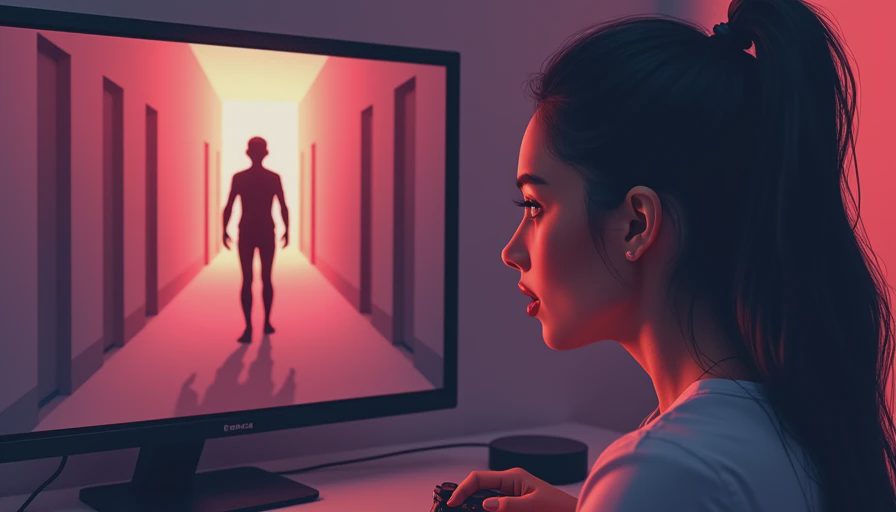
A practical way to choose your next game
Start with your tolerance for helplessness. If you dislike having no combat option, skip games built around hiding and try Resident Evil 4 Remake, The Evil Within 2, or Dead Space. These still create danger, but they let you respond with weapons, upgrades, and route planning. If combat makes horror feel ordinary, try Amnesia: The Dark Descent, Alien: Isolation, or Signalis instead.
Next, check the time commitment. A focused six-hour indie can deliver a stronger complete experience than a twenty-hour campaign that repeats the same encounter. Look at difficulty settings, save systems, and accessibility options too. Subtitles, brightness controls, reduced motion, and adjustable aim assistance are not distractions from the experience. They help more players engage with the design on fair terms.
Finally, read player discussions after launch rather than relying only on a store description. Search for comments about the second half, enemy variety, technical performance, and replay value. “Is it scary?” is too broad to be useful. “Does the stealth system remain interesting after hour five?” gives you something you can actually judge.
What makes a recommendation last
The horror games I return to usually have an identity beyond their scares. Resident Evil 2 Remake is about managing space and resources. Signalis is about memory, repetition, and tragic persistence. Alien: Isolation is about learning the behavior of a threat that never feels fully solved. Even a shorter title can stay with you when its mechanics and themes point in the same direction.
That is also why older games deserve room in the conversation. Technical roughness does not automatically erase strong pacing, memorable sound design, or clever level construction. Silent Hill 2, System Shock 2, and the original Amnesia still come up because they create problems newer games continue trying to solve. You might need a community fix, controller adjustment, or a little patience, but the payoff can be substantial.
The best horror games are not necessarily the ones that make you shout the loudest. They are the ones that make you question a familiar room, delay turning off the hallway light, or think about a choice long after the credits. Good game, or just a good first impression? Give it enough time to answer. Then bring the result to a discussion where people can finish their thoughts instead of racing to the next hot take.
No comments yet — be the first to share a thought.