I'm going to say something that might make some people angry.
Most open-world games are too long. Not "too long" as in "I wish there was more content." Too long as in "the game would be genuinely better if a third of it was cut."
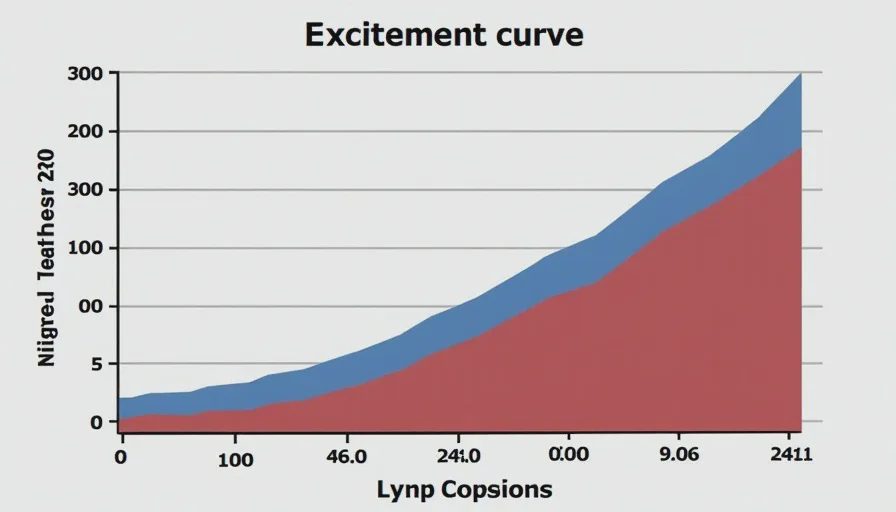
Here's my argument: open-world games have a structural problem. They start strong, they peak somewhere in the middle, and then they keep going. And going. And going. By the time you reach the end, you're exhausted. Not from difficulty – from repetition.
Change my mind. Tell me I'm wrong. Tell me those extra twenty hours are actually worth it.
I'm open to being convinced. But you're going to have to work for it.
The case for shorter open-world games
Let me lay out my argument clearly.
The honeymoon phase is real
Every open-world game has a honeymoon phase. The first ten hours. The world is new. The mechanics are fresh. You're discovering things. You're excited.
Then the honeymoon ends. You've seen the patterns. You've experienced the variety. The rest of the game is more of the same.
The question is: does "more of the same" actually improve the experience? Or does it just make it longer?
The padding problem
Open-world games are full of padding. Not content – padding.
Fetch quests that exist to make the world feel "active"
Collectibles that exist to give you something to do
Repetitive outposts that exist to fill the map
Travel time that exists to make the world feel "big"
None of this adds value. It just adds time. And time isn't free.
The difficulty curve breaks
In a well-paced game, the difficulty increases as you progress. You learn new mechanics. You face new challenges.
In a padded open-world game, the difficulty flatlines. You've mastered the mechanics by hour ten. Hours eleven through thirty are the same challenge, just with bigger numbers. The game isn't getting harder – it's just taking longer.
The story loses momentum
Open-world games have narratives. Sometimes good ones. But the narrative gets stretched so thin that you forget what's even happening.
Main quest? I haven't touched it in twenty hours.
Important character? I remember them, I think.
The villain's motivation? Something about a macguffin.
When a story is stretched over fifty hours, it loses impact. The emotional beats are too far apart. The tension dissipates.
The games that would be better shorter
I have specific examples. Games I loved – but loved less because they overstayed their welcome.
Red Dead Redemption 2
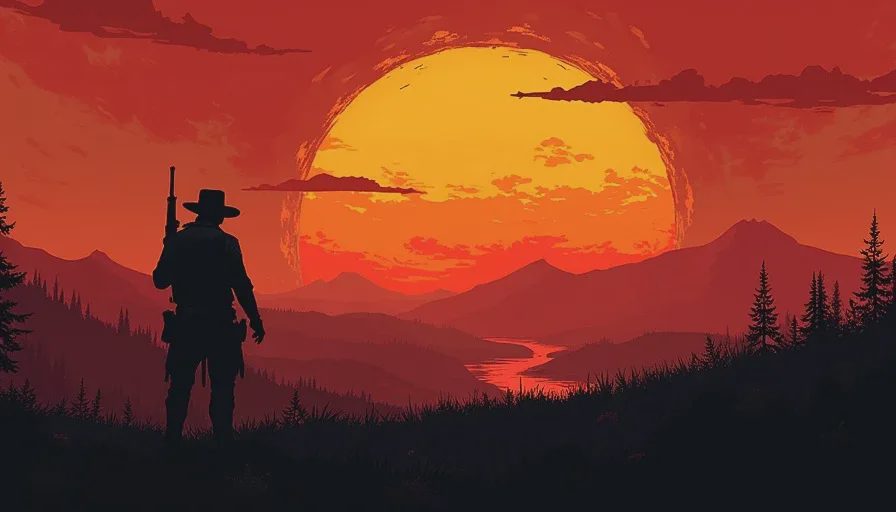
I love this game. It's a masterpiece. It's also too long.
The main story is about fifty hours. The epilogue is another five to ten. By the time I reached the credits, I was emotionally exhausted. Not because the story was heavy – it was – but because I had been playing for so long that I had stopped caring.
The game peaks in the middle. Then it keeps going. And going. And the ending loses impact because I'm too tired to feel it.
If Red Dead 2 was thirty percent shorter, it would be a tighter, more focused experience. The emotional beats would hit harder. The pacing would be better.
Assassin's Creed Valhalla
This is the poster child for open-world bloat.
Sixty hours. Eighty hours. A hundred hours if you do everything. The game is enormous. It's also repetitive. The same outposts. The same raids. The same types of missions. The same everything.
There's a good game in there somewhere. A game about Vikings. A game about family. A game about building a settlement. But it's buried under forty hours of repetitive content.
Ghost of Tsushima
I loved this game. The combat was great. The world was beautiful. The story was solid.
But by hour thirty, I was done. I had seen everything the game had to offer. The remaining hours were just repetition. More of the same.
The game would have been better if it was twenty hours and focused. A tighter narrative. Less filler. More impact.
The Witcher 3
Here's a controversial one. The Witcher 3 is one of the best games ever made. It's also too long.
The main story is about fifty hours. The side quests are another fifty. The expansions are another thirty.
I love the Witcher 3. But I've only finished it once. The time commitment is too high. I can't justify starting it again – even though I want to – because I know it will take me a hundred hours.
A tighter Witcher 3 would be more replayable. More accessible. More focused.
The counterargument: why length is good
I've made my case. Now let me present the counterargument. The reasons why open-world games should be long.
The immersion factor
Length creates immersion. Spending fifty hours in a world makes it feel real. You learn the geography. You understand the politics. You form relationships with characters.
A shorter game can't do that. It's over before you're truly invested.
The value proposition
Games are expensive. Fifty to seventy dollars. A shorter game feels like less value for your money. A longer game gives you more hours per dollar.
This isn't a perfect argument – quality matters more than quantity – but it's understandable. People want their money's worth.
The sense of journey
A long game is a journey. You start weak. You end strong. You've grown. You've changed. The length of the journey is part of the experience.
A shorter game can't replicate that sense of scale. It's over before you've truly progressed.
The completionist appeal
Some players want to do everything. They want to explore every corner. They want to complete every mission. They want to find every collectible.
A shorter game limits that. It restricts the completionist experience.
The middle ground: games that get it right
Not every open-world game is too long. Some get the balance right.
The Legend of Zelda: Breath of the Wild
Breath of the Wild is a long game. A hundred hours if you do everything. But it doesn't feel padded.
Why? Because the exploration is the content. The world is so well-designed that just moving through it is enjoyable. There's no filler – just discovery.
Elden Ring
Elden Ring is enormous. Eighty hours. A hundred hours. More.
But it doesn't feel padded. The exploration is rewarding. Every area is different. Every boss is unique. The game respects your time by making every moment meaningful.
Horizon Zero Dawn
Horizon Zero Dawn is about thirty to forty hours. It's not short, but it's not bloated.
The story is tight. The world is focused. The side content is optional. The game respects your time.
The real problem: not length, but quality
Maybe the problem isn't length. Maybe the problem is quality.
Empty worlds are the issue
A long game with meaningful content is great. A long game with empty content is bad.
The issue isn't the length – it's what you do with it. Some games use their length to build immersive worlds. Others use it to pad their playtime.
Repetition is the enemy
The problem isn't that games are long. It's that they're repetitive. The same activities. The same enemies. The same structures.
A game that stays fresh for forty hours is a masterpiece. A game that repeats itself for forty hours is a chore.
What I'd actually change
If I could change open-world games, I wouldn't just make them shorter. I would make them denser.
Less travel time
Fast travel is a band-aid. The real solution is smaller worlds with more content per square kilometer. Less walking. More doing.
Fewer but better side quests
Instead of fifty side quests that are all the same, give me ten side quests that are meaningful. Memorable characters. Interesting choices. Impactful consequences.
Tighter main narratives
The main story should be the focus. Not just another thing to do. The narrative should drive the game, not compete with it.
More variety
Diverse environments. Diverse enemies. Diverse missions. The worst feeling in an open-world game is "I've seen this before." Variety solves that.

No comments yet — be the first to share a thought.